Inside the Tool Kit of a Vila Olímpia Unclogging Crew
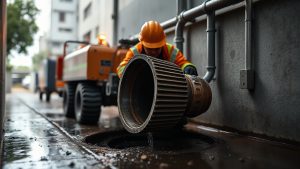
When a service van pulls up outside a building in Vila Olímpia, most people only see the logo and the flashing lights. What they rarely see is the carefully organized arsenal inside: reels of steel cable, high-pressure hoses, inspection cameras, and a surprising number of specialized nozzles. If you have ever searched for a desentupidora em 25 de Março São Paulo SP, you probably wondered what those technicians actually bring to a job. The answer is that no single tool clears every blockage. A crew arrives prepared for grease, roots, collapsed pipes, and everything in between.
This technical profile walks through the main tool groups a professional unclogging team carries and explains what each one is for. The goal is not to turn you into a plumber, but to help you understand why a qualified crew can solve in an hour what a plunger and a bottle of chemicals cannot touch.
Why One Tool Is Never Enough
Blockages are not all the same. A kitchen sink clogged with cooking fat behaves nothing like a main sewer line invaded by tree roots. A toilet that backs up because of a foreign object needs a different approach than a floor drain slowed by years of soap scum and sediment. Because the causes vary, the tools must vary too.
A professional crew thinks in terms of diagnosis first, then intervention. They assess the pipe material, the diameter, the location of the blockage, and whether the line is under a slab, behind a wall, or buried in the yard. Only then do they choose the right equipment. Skipping diagnosis is the most common reason a DIY attempt makes things worse.
This is also why a company like Desentupidora Suprema, which handles emergency calls across São Paulo, equips its vans with a full range of tools rather than a single machine. The technician who arrives at a residential building in Vila Olímpia may need to switch from a manual auger to a hydrojetting unit within the same visit.
The Mechanical Tool Group: Augers, Cables, and Snakes
Mechanical tools are the oldest and still the most versatile category. They physically break up or pull out obstructions using rotational force and steel cable. Here is how the main types differ.
Hand Augers and Drum Augers
A hand auger is a short, manual cable with a cutting head, used for sinks, showers, and toilets. It is ideal for blockages close to the fixture, usually within the first few meters of pipe. A drum auger holds a longer cable in a rotating drum and can reach deeper into branch lines. These are the tools you see technicians using when the problem is localized and the pipe is accessible.
Power Snakes and Sectional Cables
For longer runs, crews use power snakes or sectional cable machines. A power snake is a motorized unit that drives a cable through the pipe while spinning, breaking through soft blockages like grease or paper. Sectional cables come in interchangeable lengths, so the technician can add sections as the cable travels deeper. These machines are the workhorses for main lines and long horizontal runs.
Root Cutters and Chain Knockers
When tree roots have entered a sewer line through a joint or crack, a standard cable head will not clear them. Technicians attach a root cutter or a chain knocker to the cable. These heads have sharp blades or chains that grind roots against the pipe wall. The choice between them depends on root thickness and pipe material, because an aggressive head can damage fragile clay or old cast iron.
The Hydraulic Tool Group: Hydrojetting and High-Pressure Washing
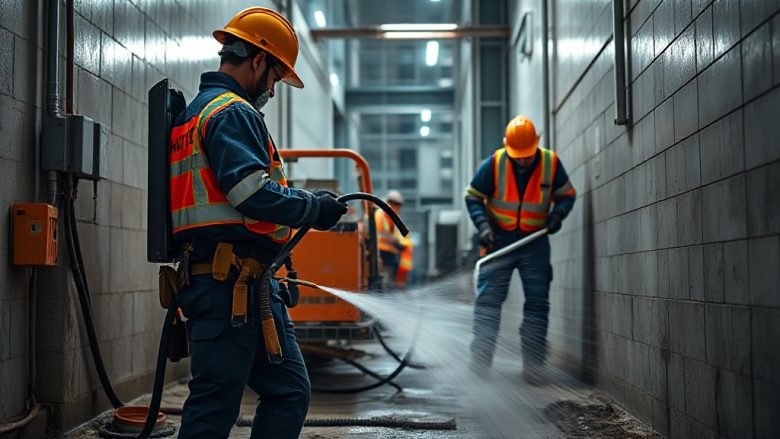
Hydrojetting is the heavy artillery of unclogging. Instead of a cable, it uses water at high pressure delivered through a flexible hose and a specialized nozzle. The nozzle directs jets backward to propel itself forward and forward-facing jets to scour the pipe wall.
How Hydrojetting Works
A hydrojetting unit typically operates at pressures ranging from around 1,500 to 4,000 PSI, depending on the machine and the pipe. The hose is fed into a cleanout or access point, and the nozzle advances through the line. The water blasts away grease, scale, sand, and sludge, then flushes the debris downstream. It is particularly effective for commercial kitchens, restaurants, and any line with heavy grease buildup.
Nozzle Types and Their Purposes
The nozzle is the critical component. A penetrating nozzle has a narrow, focused jet for piercing a solid blockage. A flusher nozzle has wider jets for washing the pipe walls. A rotating nozzle adds a spinning action for stubborn scale. A chain nozzle combines water pressure with a mechanical chain to cut through roots and hard deposits. Choosing the wrong nozzle can leave the pipe half-clean or, worse, damage it.
When Hydrojetting Is the Right Choice
Hydrojetting is not for every situation. It should be avoided on pipes that are already cracked, collapsed, or made of fragile material. A professional crew will inspect the line first, often with a camera, before deciding to jet. For a desentupidora 25 de Março, hydrojetting is a common service because the area has a mix of older buildings and busy commercial kitchens where grease is a constant problem.
The Diagnostic Tool Group: Cameras, Locators, and Inspection Equipment
You cannot fix what you cannot see. Diagnostic tools have transformed unclogging from guesswork into a precise operation. They allow the technician to locate the blockage, identify its cause, and confirm that the pipe is clear after the work is done.
Pipeline Inspection Cameras
A pipeline camera is a small, waterproof camera mounted on a flexible rod or cable. It transmits live video to a monitor, showing the inside of the pipe. Technicians use it to spot cracks, root intrusions, collapsed sections, and accumulated debris. The camera also helps determine whether a mechanical tool or hydrojetting is safe to use.
Locators and Transmitters
When a camera is in the line, a sonde transmitter can be attached to mark its position. A locator above ground picks up the signal, allowing the technician to pinpoint the exact spot of the problem. This is essential when the pipe is buried under a floor or yard and digging must be minimized.
Drain Cleaning Reels with Cameras
Some advanced reels combine a camera with a cleaning cable, so the technician can see and clear the blockage in one pass. These are especially useful for recurring clogs where the cause is not obvious.
Specialized Equipment for Specific Situations
Beyond the main groups, a well-equipped crew carries a range of specialized tools for particular jobs. These are the items that make the difference between a temporary fix and a lasting solution.
Vacuum Trucks and Wet/Dry Vacuums
For large volumes of standing water or heavy sludge, a vacuum truck is indispensable. It can remove water and debris from catch basins, manholes, and septic tanks. Smaller wet/dry vacuums handle minor spills and are often used inside buildings.
Septic Tank and Fossa Cleaning Equipment
Properties not connected to the municipal sewer rely on septic tanks or fossas. Cleaning these requires a vacuum truck, safety gear, and sometimes a pump to agitate the sludge. Proper disposal of the collected waste is a legal requirement, not an optional step.
Pipe Freezing and Temporary Plugs
When a repair or maintenance job requires stopping the flow without shutting down the entire system, technicians use pipe freezing equipment or inflatable plugs. These allow work to proceed on a section of pipe while the rest of the building remains in service.
Safety and Access Tools
Manhole covers, cleanout caps, and access panels often require specialized wrenches and lifting tools. Crews also carry personal protective equipment, gas detectors, and ventilation equipment for confined spaces. These are not glamorous, but they are essential for a safe and professional job.
If you are looking for a reliable desentupidora 25 de Março São Paulo SP, it is worth asking whether the company carries this full range of equipment. A crew that arrives with only a plunger and a hand auger will not be able to handle a serious main line blockage.
How Technicians Choose the Right Tool
The decision-making process is part science and part experience. Here is how a professional crew typically approaches a job.
- Listen and observe. The technician asks about symptoms: slow drains, gurgling sounds, backups in multiple fixtures, or odors. These clues narrow down the location and cause.
- Inspect the access points. Cleanouts, floor drains, and manholes are checked to determine where the blockage is likely located.
- Use a camera if needed. For recurring or mysterious clogs, a camera inspection is the fastest way to see what is happening inside the pipe.
- Select the least invasive tool first. A hand auger or small snake is tried before moving to power equipment. This minimizes the risk of damage.
- Escalate as necessary. If the blockage is stubborn or far down the line, the technician switches to a power snake, root cutter, or hydrojetting unit.
- Verify and clean up. After clearing the line, the technician may run a camera again to confirm the pipe is clear and flush it with water. The work area is cleaned before departure.
This methodical approach is what separates a professional service from a quick fix. It also explains why a well-stocked van carries so much equipment: the technician never knows in advance which tool will be needed.
Frequently Asked Questions
Can I use a plunger or chemical drain cleaner instead of calling a professional?
For very minor clogs, a plunger can help. Chemical cleaners are best avoided because they can damage pipes, harm the environment, and create a hazardous situation for anyone who later opens the drain. If the clog does not clear quickly, call a professional.
What is the difference between snaking and hydrojetting?
Snaking uses a mechanical cable to break through or pull out a blockage. Hydrojetting uses high-pressure water to scour the pipe walls and flush away debris. Snaking is often used first for simple blockages; hydrojetting is more thorough for grease and scale but requires a pipe in good condition.
How do I know if my sewer line needs a camera inspection?
If you have recurring clogs in the same location, slow drains throughout the building, or unexplained backups, a camera inspection is recommended. It can reveal root intrusion, cracked pipes, or collapsed sections that simple snaking cannot fix.
Is hydrojetting safe for all pipes?
No. Hydrojetting should not be used on pipes that are already damaged, cracked, or made of fragile materials. A professional will inspect the line first and adjust the pressure and nozzle to suit the pipe type.