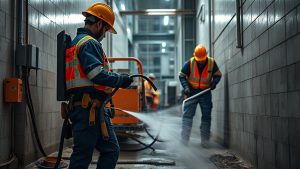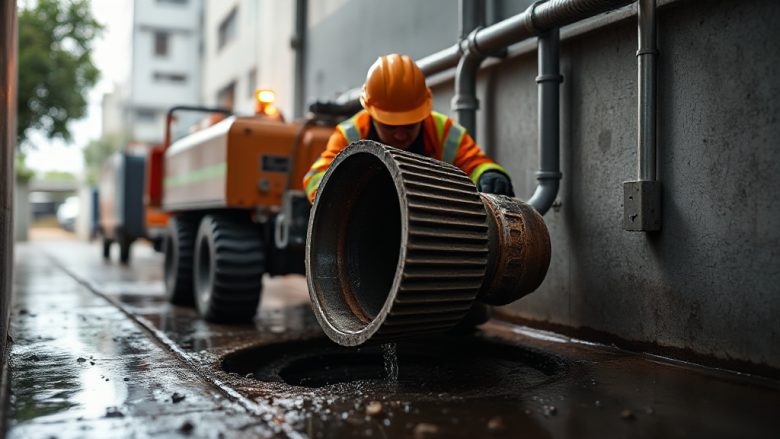
Clogged Drain in Indaiatuba? How a Local Desentupidora Solves It
By the end of this page you will know exactly what happens from the moment you call a desentupidora em Indaiatuba SP to the moment your drain runs clear again. I am a support technician who has handled these tickets for years, so I will walk you through the real sequence of events, the questions customers ask me most, and the details that separate a quick fix from a repeat problem.
What actually happens after you call a desentupidora in Indaiatuba?
Most calls start the same way: water backing up in a sink, a shower draining slowly, or a toilet that refuses to flush. The dispatcher asks three things first: your address in Indaiatuba, what fixture is affected, and whether the backup is clean water or sewage. Those answers decide which crew and equipment get sent.
Within the first call you should get a clear arrival window and a price range. A reputable desentupidora Indaiatuba will not promise a fixed price before seeing the pipe, but they can explain the base service fee and what triggers extra charges.
The first visit is usually diagnostic as much as it is corrective. The technician confirms where the blockage sits before pushing any equipment into the line.
Which questions should you ask before the truck arrives?
Customers who ask these questions tend to get faster, cleaner service. The answers also protect you from surprise invoices.
- Is the quoted price for the visit, the unclogging, or both?
- Do you charge extra for night, weekend, or holiday calls?
- Will you show me the camera footage or explain what caused the blockage?
- What is the warranty if the same drain backs up again next week?
If a company cannot answer these plainly, keep calling. A desentupidora Indaiatuba SP that serves the city regularly should have standard answers ready.
How does the technician find the blockage?
This is the part most customers never see, and it is where good work is separated from guesswork. The technician starts by checking every fixture on the same line. If only one sink is slow, the clog is probably local. If multiple drains gurgle at once, the problem is deeper in the main line.
Visual inspection and access points
The crew looks for cleanouts, inspection boxes, and floor drains. Indaiatuba has a mix of older homes with cast-iron or clay pipes and newer buildings with PVC, and each material changes how the line is approached.
Camera and locator checks
When the cause is unclear, a camera goes into the line. It shows grease buildup, roots, collapsed pipe, or objects flushed by mistake. The locator marks the spot on the surface so excavation, if needed, happens in one place instead of several.
What tools are used, and why does the choice matter?
The tool must match the clog. Using the wrong one can crack a pipe or push the blockage further down.
| Tool | Best for | Risk if misused |
|---|---|---|
| Manual auger | Small, shallow clogs in sinks and toilets | Little risk, limited reach |
| Electric snake | Medium blockages in branch lines | Can scratch older pipes |
| Hydro jetting | Grease, scale, and roots in main lines | Too much pressure can damage weak pipes |
Hydro jetting is the standard for recurring grease and root problems, but only after the pipe condition is checked. A good crew will say so before starting.
How long does the service take, and what does it cost?
A simple sink or toilet unclogging often takes under an hour once the technician is on site. Main-line work with camera inspection and jetting can run two to four hours. Emergency calls at night may take longer because the crew has to mobilize.
Costs in Indaiatuba follow the same pattern as the rest of the region: a base call-out fee, a per-service charge, and extras for after-hours work, camera inspection, or jetting. Ask for the total before work begins.
Cheap quotes that skip inspection often lead to a second, more expensive visit. Paying once for a proper diagnosis is usually the better deal.
What mistakes turn a small clog into a big repair?
I see the same errors in tickets again and again. Avoiding them saves money and mess.
- Pouring chemical drain cleaners repeatedly instead of finding the cause.
- Flushing wipes, paper towels, or food scraps and assuming the toilet handles it.
- Ignoring slow drains until they fully back up.
- Letting a handyman snake a main line without checking pipe condition first.
Each of these pushes a manageable clog toward pipe damage or a sewage backup that affects neighbors.
How can you prevent the same drain from clogging again?
Prevention is mostly about what goes down the drain and how often the line is checked. In kitchens, wipe grease into the trash instead of the sink. In bathrooms, use a drain strainer and clear hair weekly. For buildings, schedule a preventive check on the main line every year or two.
If the same drain backs up twice within a few months, ask for a camera inspection. Recurring clogs almost always have a physical cause that a simple snake will not fix.
What should you expect on the invoice and after the job?
By the time the truck leaves, you should have a written description of what was done, which line was cleared, and what was found. Keep that record. If the problem returns within the warranty period, the company can compare notes and act faster.
The best outcome of calling a desentupidora is not just a flowing drain. It is knowing why it clogged and what to watch for next time. Ask for that explanation before the technician packs up, and the next backup will be far less of a surprise.